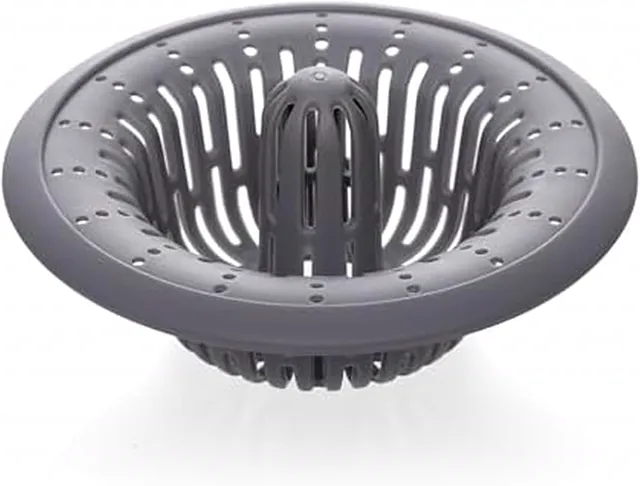
Pro Sink Strainer, 4.5 x 4.5 x 2 in
- Drainage holes catch food scraps and let water run through
- A raised center post lifts the strainer out with one finger
- 4.5 x 4.5 x 2 inches, fits most kitchen drains, dishwasher safe
$13.99$10.99
Buy Now
Copco bath and cleaning tools handle the small jobs that come back every day: crumbs on the counter, water on shower glass, dust on a frame, soap at the sink. The range is short — beechwood brushes, a feather duster, a squeegee, a sink strainer, touchless soap dispensers and a toilet brush. Below the tools: how to clean enamel, powder coat and nonstick without scratching them, and what to do once something has burnt on.
Nine tools, grouped by job rather than by room. The care notes come after them: soft tools first, a baking soda paste second.
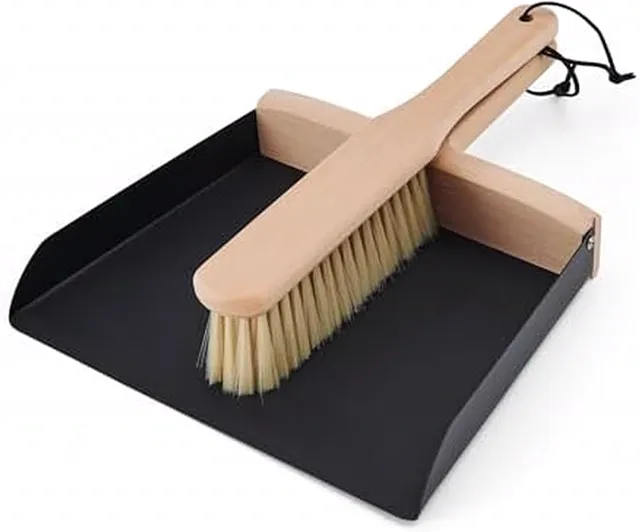
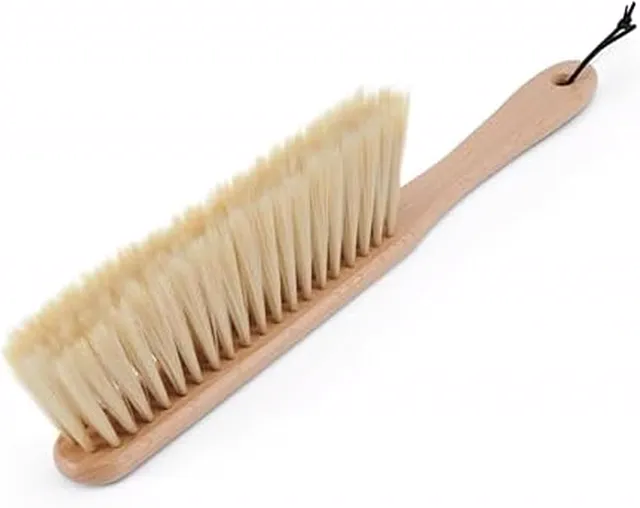
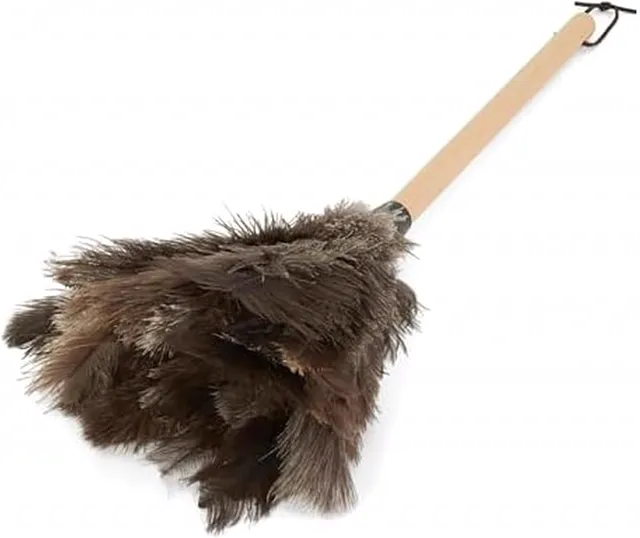
A 12.25-inch beechwood brush pairs with an 8 x 8-inch iron dustpan, and both hang from leather loops. The feather duster takes frames and lamps.
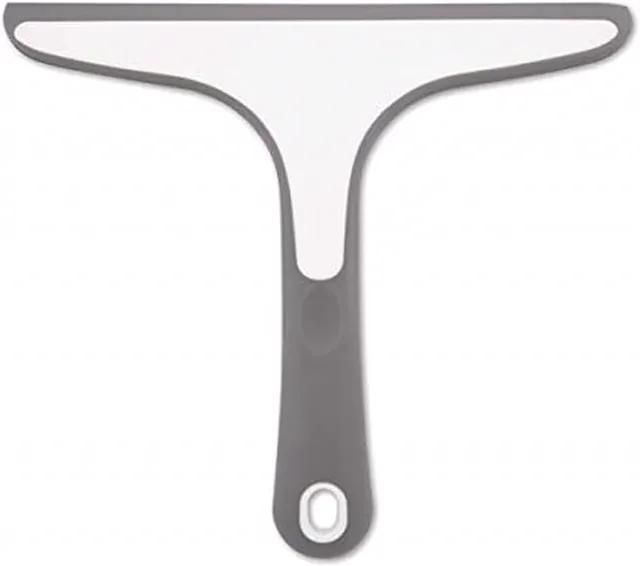
The squeegee's flexible edge follows curved glass. The sink strainer lifts out by its center post.
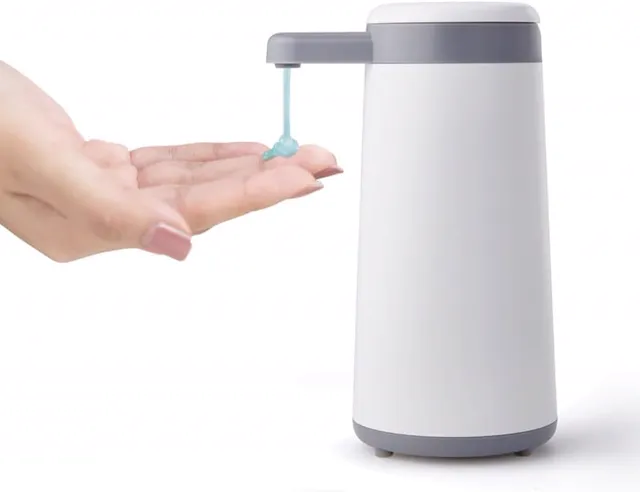
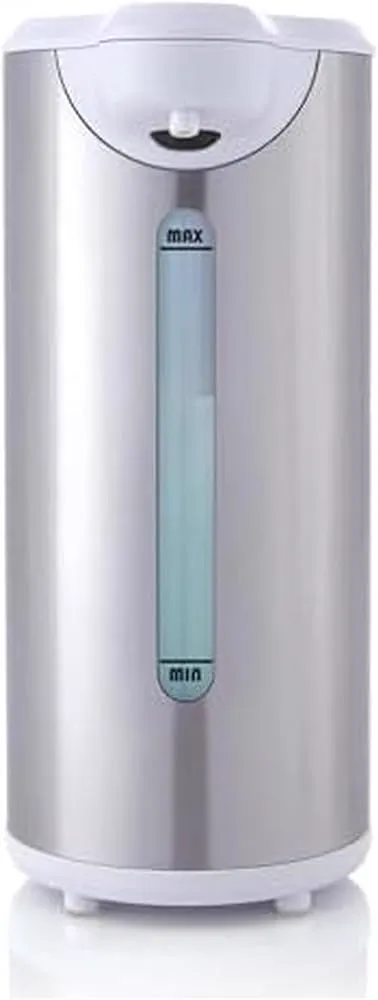
Two touchless models, white and brushed stainless. They are compared further down.
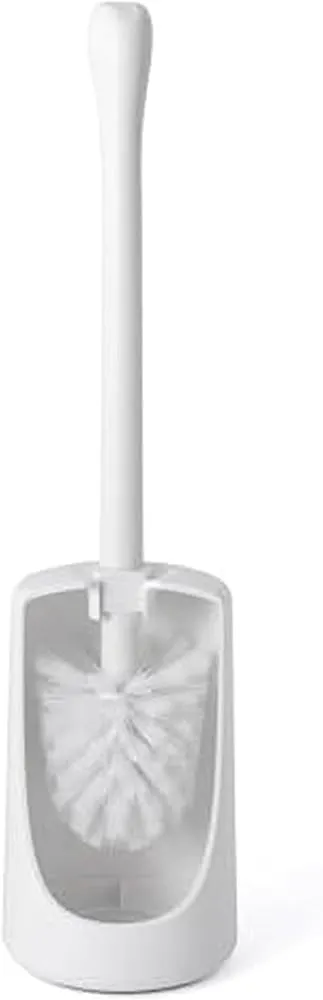
The toilet brush stands in a white caddy with a soft foot that spares the floor. Grit on tile goes into the iron dustpan.
Enamel, powder coat and nonstick share one weakness: the finish is thinner than it looks. Every tool on this page is soft at the working end for that reason.
For daily dust and crumbs, a soft brush or the soft side of a sponge is enough. Wipe with a damp cloth, then dry, so water spots don't settle.
Enameled cast iron and enamel sinks take warm water and mild dish soap without complaint. Powder-coated racks need the same, plus a dry towel along the welds and joints, where water sits longest.
Most scratches come from cooking and storage, not from washing. Wooden and nylon spoons and spatulas are kind to enamel and nonstick; metal whisks and tongs are not.
Stack coated pans with a cloth between them, so no metal edge rests on a finish.
A chip on the cooking surface that shows bare metal means that pot is finished for cooking: the edge keeps flaking into food. A chip on the outside rim is cosmetic.
The squeegee, top to bottom, after every shower; its flexible edge stays on curved doors. Grout lines go to the beechwood hand brush, whose soft bristles won't scratch tile.
The Pro sink strainer, 4.5 x 4.5 x 2 inches, catches scraps and then goes in the dishwasher. A touchless dispenser keeps dough and grease off the pump.
Feathers for frames and lamps, the brush and dustpan for flat shelves and the floor, bathroom vanity included.
Both read your hand with an infrared sensor and run on four AAA batteries, not included. They differ in size, dose and finish.
| Detail | White dispenser | Stainless dispenser |
|---|---|---|
| Capacity | 9.46 fl oz | Not listed |
| Size | 7 in tall, 3.5 in across | Not listed |
| Dose | Not listed | Three settings |
| Level check | Clear front window | Semi-transparent panel |
| Soap | Liquid hand, dish and foaming soap | Liquid hand soap |
| Finish | White, wipe clean | Brushed stainless, wipe clean |
Beechwood doesn't like soaking: wipe the handles with a damp cloth and let them air-dry. Hang the brush and dustpan by their leather loops so the bristles keep their shape.
The sink strainer is the one tool here that goes in the dishwasher. The duster needs a shake outdoors.
Enameled cast iron is cast iron covered with a layer of glass-like enamel fused to the metal at high heat. The coating keeps the iron from rusting and gives a smooth, colored surface that cleans with warm soapy water. It can chip and scratch, though, so clean it with a soft sponge or brush and keep metal scouring pads away from it.
A paste of baking soda and a few drops of water lifts most stains from enamel. Spread it on, leave it for about ten minutes, then work it with a non-abrasive sponge and rinse. For a stubborn stain, repeat the paste instead of scrubbing harder, because abrasion takes the gloss off and makes the next stain cling faster.
Warm water, a drop of mild dish soap and a soft cloth are all a powder-coated surface needs. Rinse, then dry it straight away, paying attention to welds and joints where water collects. Skip solvents, scouring pads and bleach: they dull the coating, and once it is scratched through, the metal underneath can start to rust.
Avoid steel wool, wire brushes, scouring pads, abrasive powders and metal scrapers; they do the most damage to coated and nonstick surfaces. Oven cleaner and chlorine bleach can strip color from enamel. Use a soft brush, sponge or microfiber cloth instead, cook with wooden or nylon utensils, and dry the surface when you are done.
Bath tools from Copco stop at the sink. Dish racks, drain boards and under-sink turntables are in sink & dishware, where the washed pots go to dry.
A freshly wiped pantry is a good moment to sort it. Airtight canisters for flour, cereal and rice are in food storage containers.